
1. Origins: Wootz Steel and the Genius of Ancient India
The story of Damascus Steel begins in southern India around the 3rd century B.C. Known as Wootz Steel, it was one of the earliest forms of crucible steel.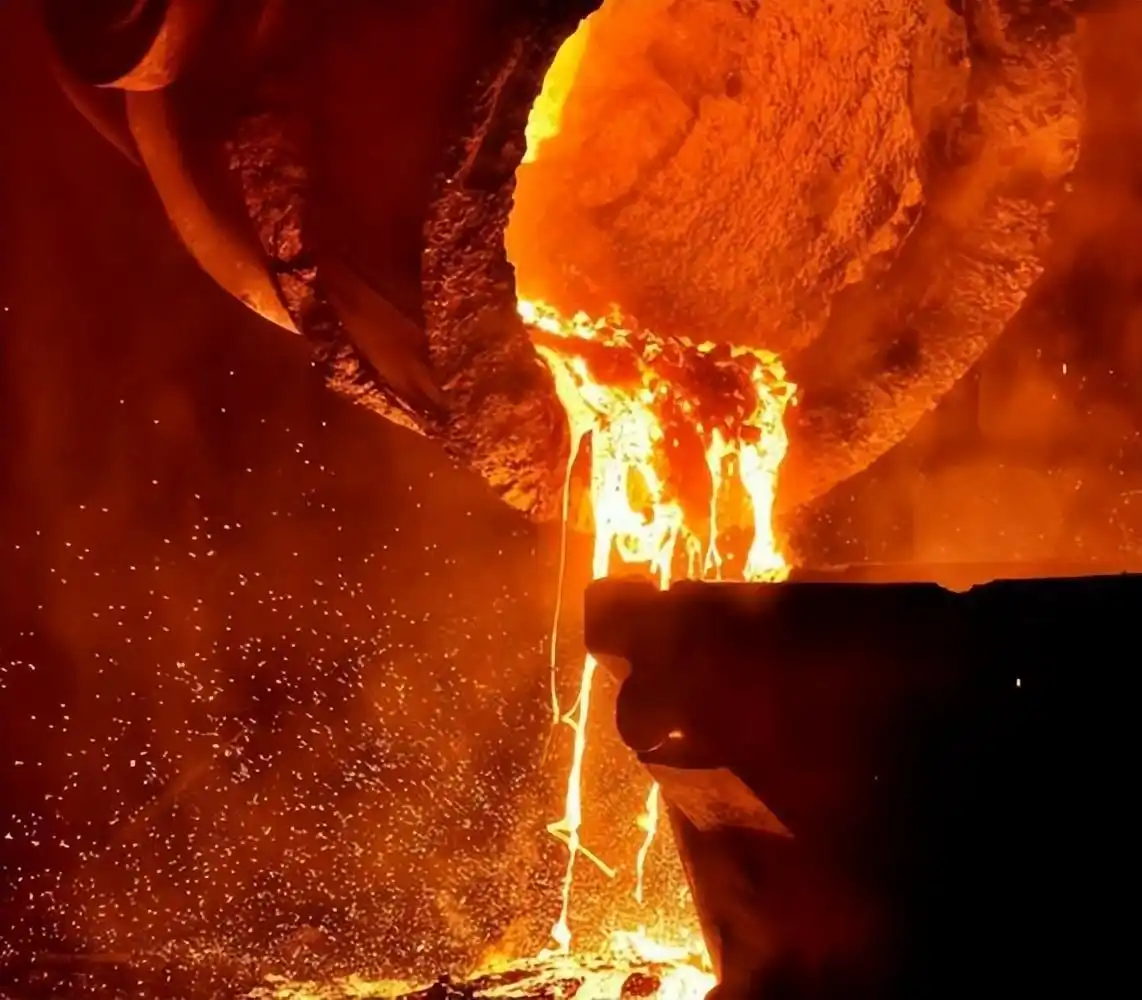
Iron ore and carbonized plant matter were sealed inside clay crucibles, heated slowly, and cooled under controlled conditions. The result was a steel rich in carbon—between 1.0% and 1.6%—and interlaced with microscopic carbides that gave it exceptional toughness and edge retention.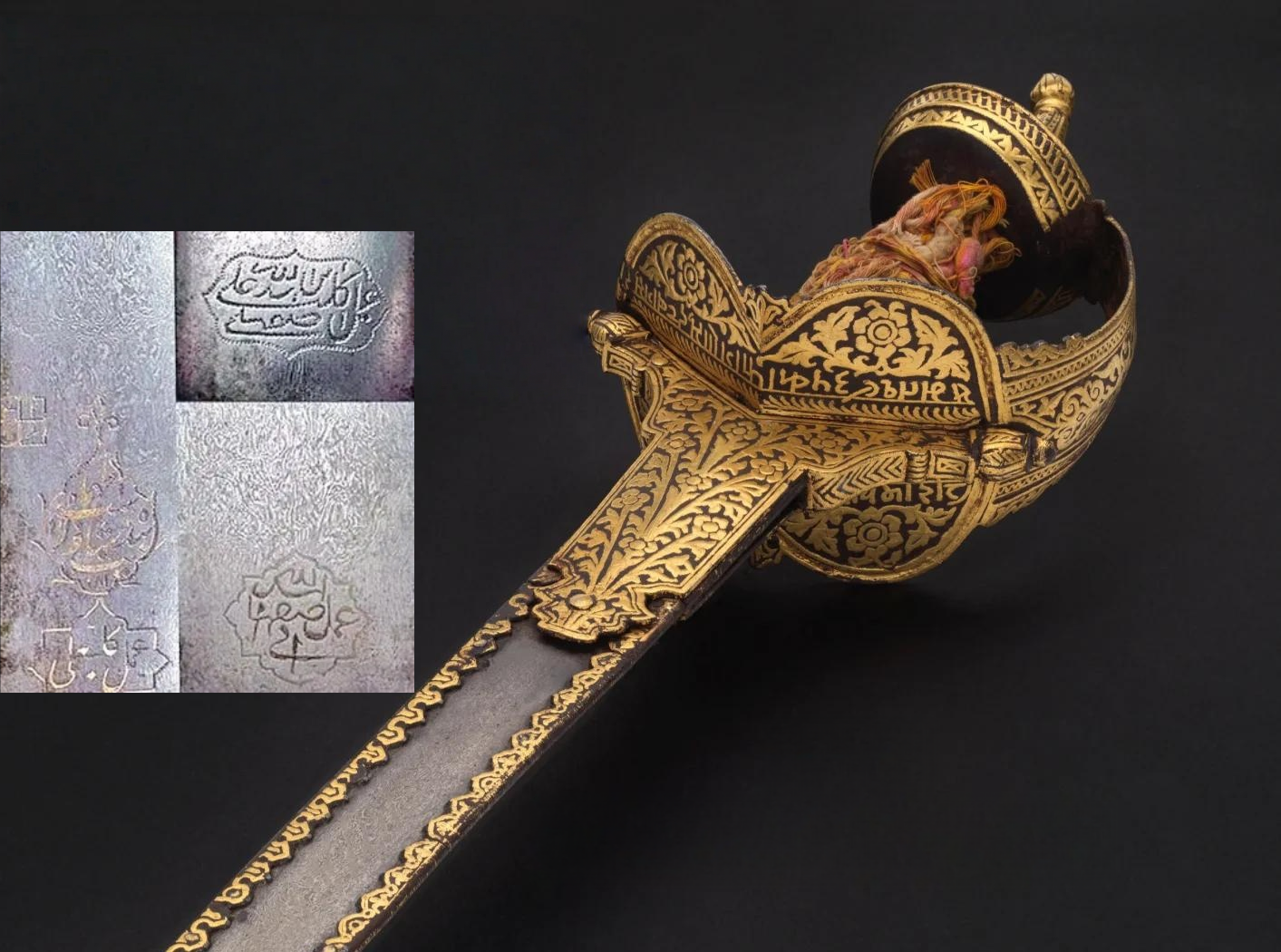
When these steel ingots reached Damascus, Syria, via Persian trade routes, local smiths transformed them into blades of unmatched strength and beauty—swords with rippling, water-like patterns that inspired awe and legend.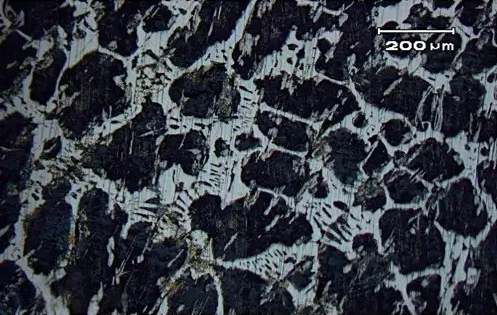
2. The Misunderstanding: Why It’s Called “Damascus Steel”
When Crusaders first encountered these extraordinary Eastern blades, they were astonished by their wave-like surfaces and armor-slicing sharpness.
Believing the steel originated from Damascus, they began calling it Damascus Steel.
There are two main theories behind the name:
1Geographical Origin – Damascus was a major trading hub for these blades.
2Pattern Association – In Arabic, “Damask” refers to patterned fabric, echoing the steel’s watery texture.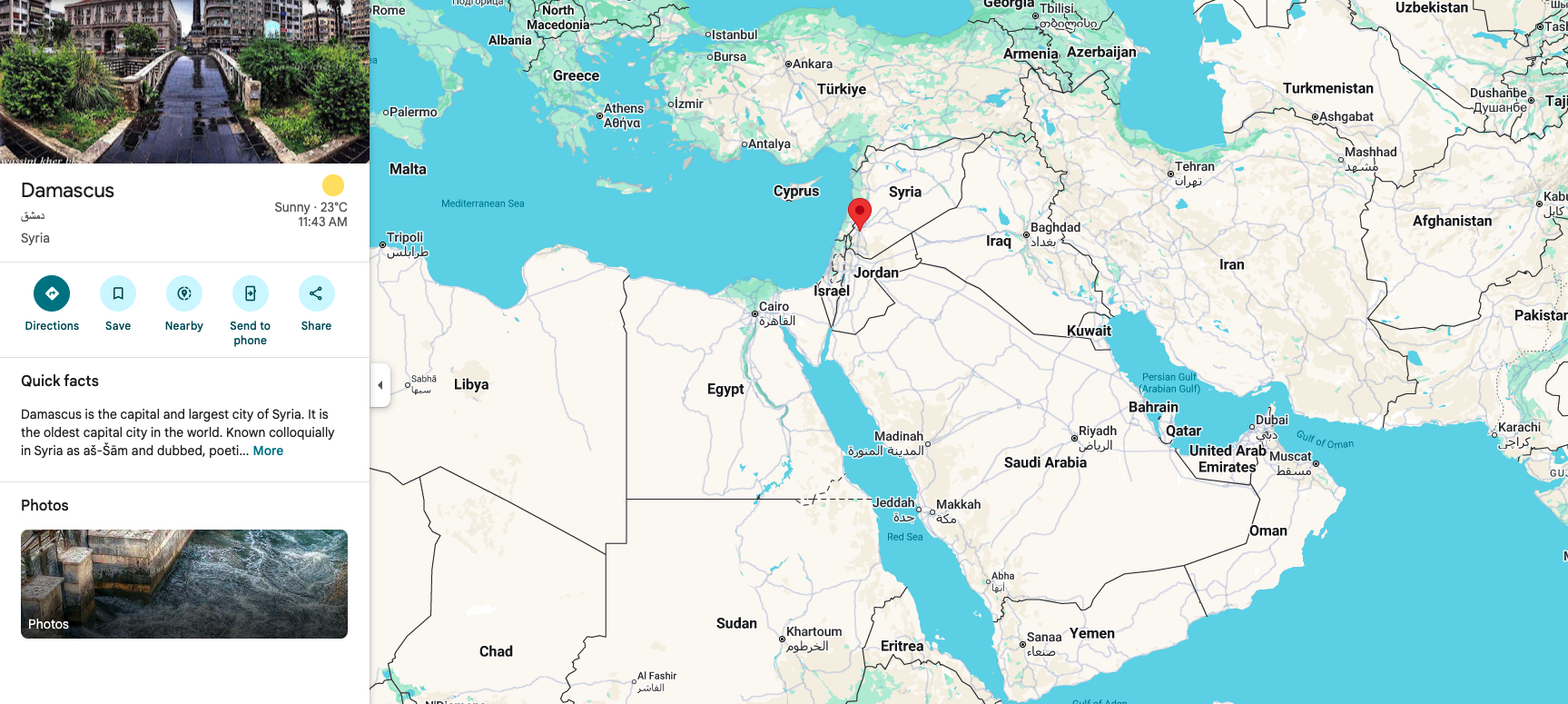
3. The Flowing Patterns: Natural Art in Metal
True Damascus Steel displays patterns that resemble flowing water, drifting clouds, or wood grain, often referred to as Watered Steel. These patterns arise naturally from the alignment of carbides within the metal—not from surface etching or decoration.
Common types of Damascus patterns include:
•🌊 Ladder Pattern – gentle, parallel ripples like water currents;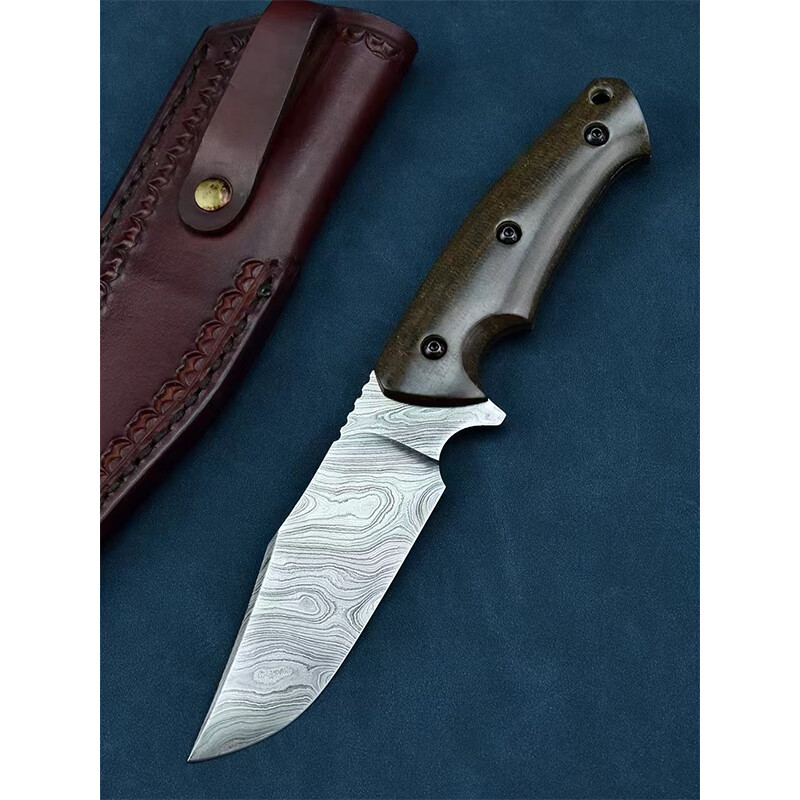
•🌪 Twist Pattern – created by twisting and forging layered bars;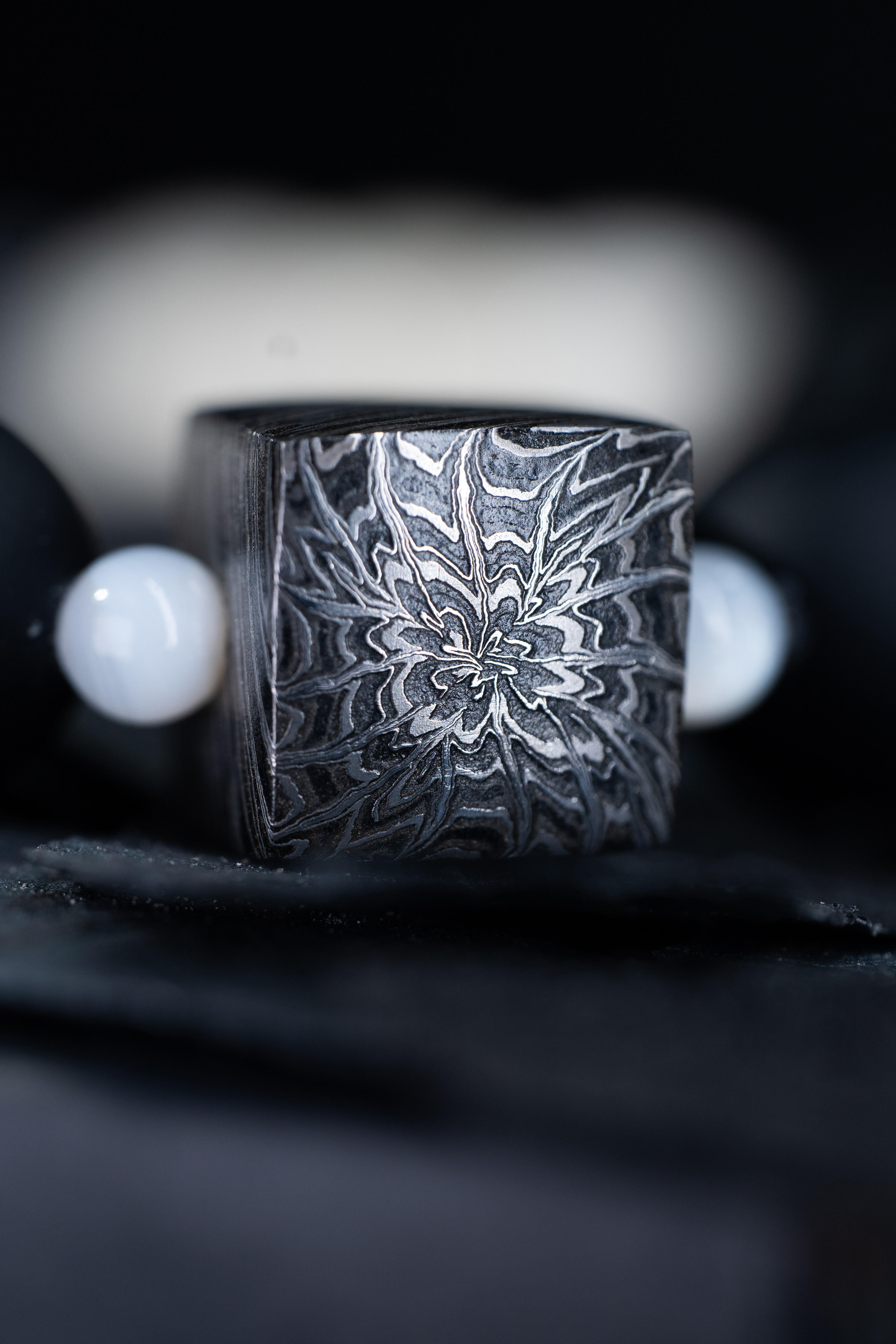
•🔗 Tortoise Shell Pattern – alternating layers of hard and soft steel;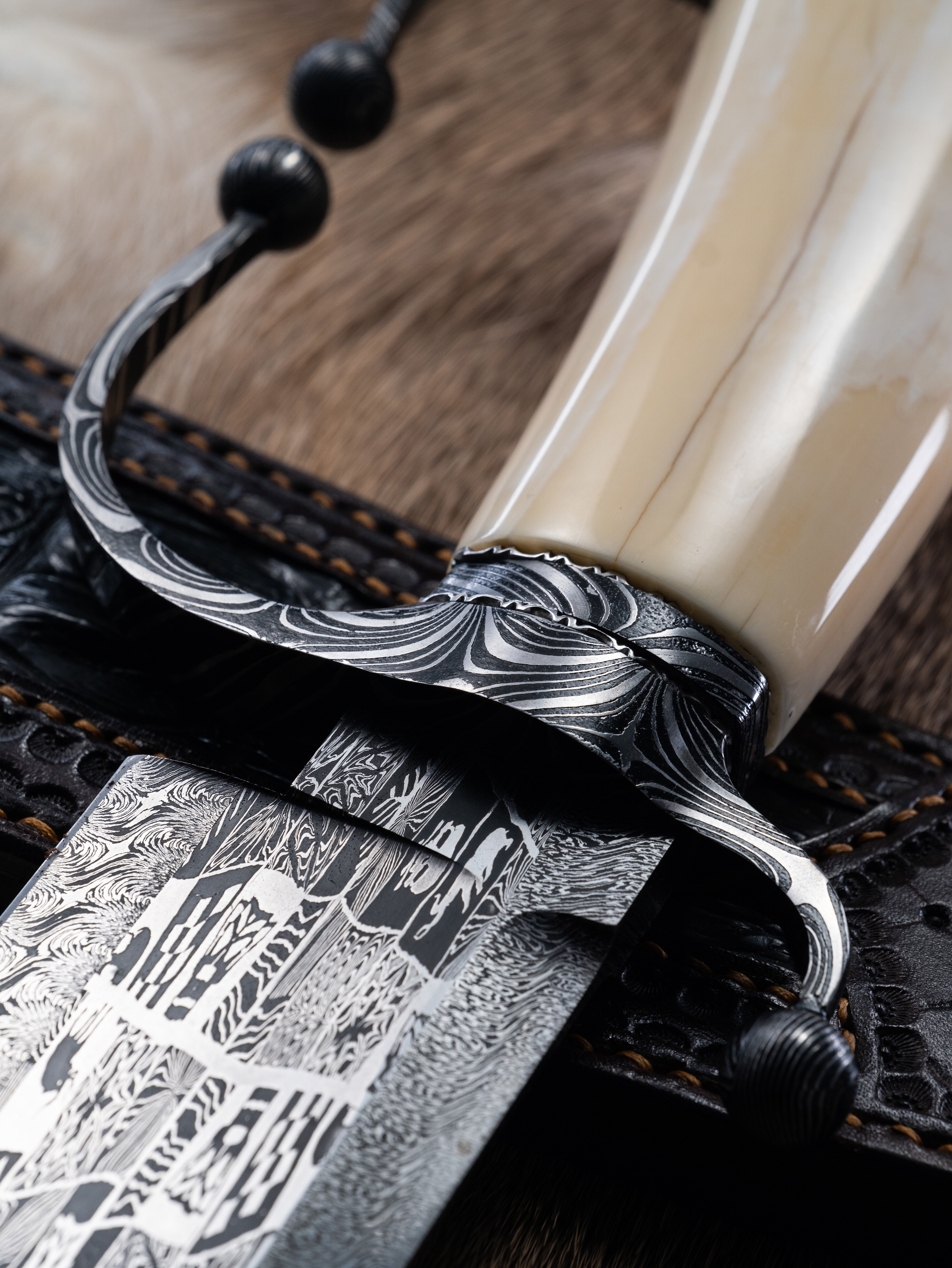
•🩶 Feather Pattern – symmetrical flow like a bird’s wings.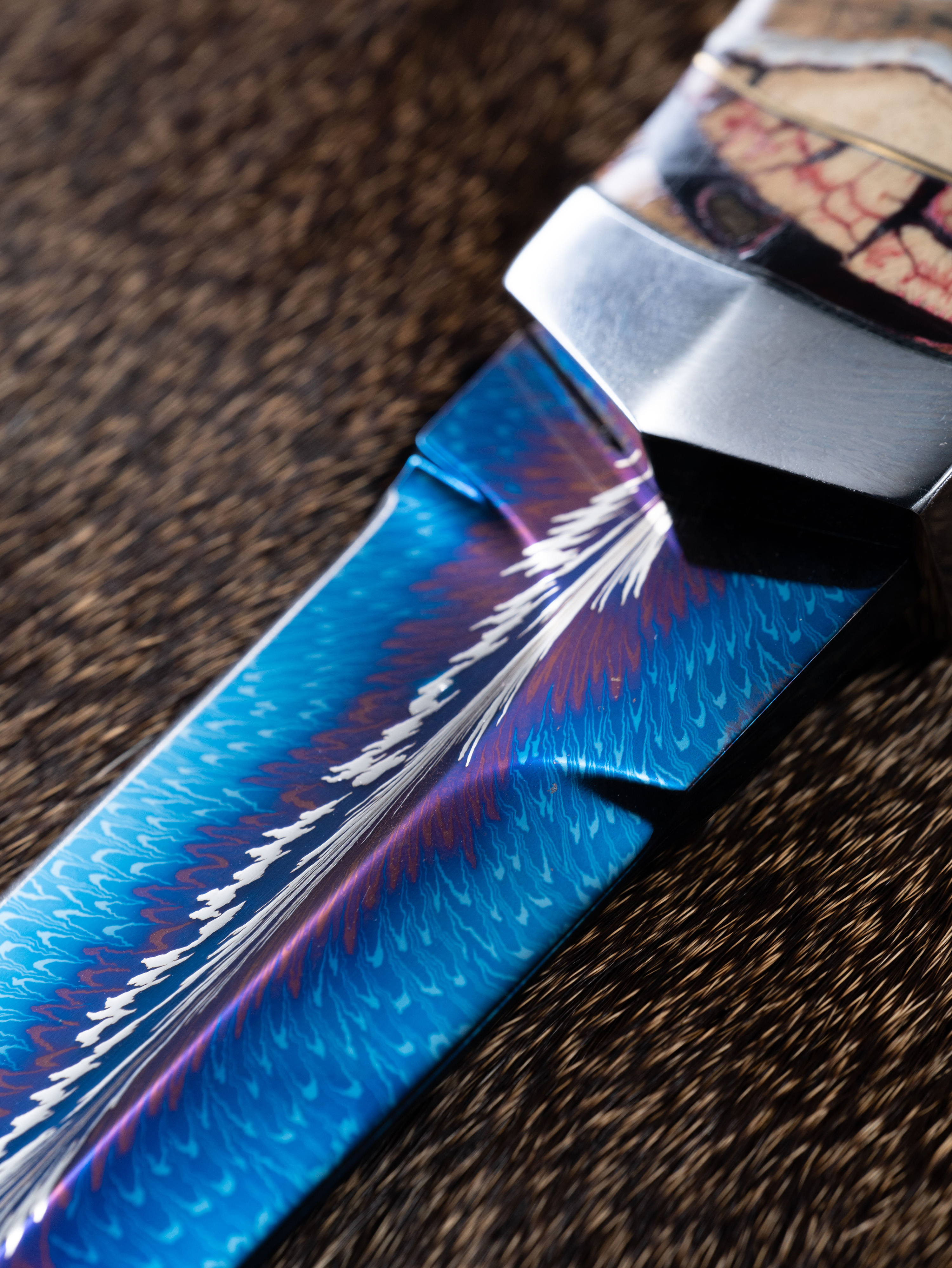
Each pattern embodies the dialogue between heat, hammer, and human intent.
4. Loss and Revival: The Modern Resurrection
By the 18th century, the ancient Wootz process disappeared as trade routes broke and ore sources were lost.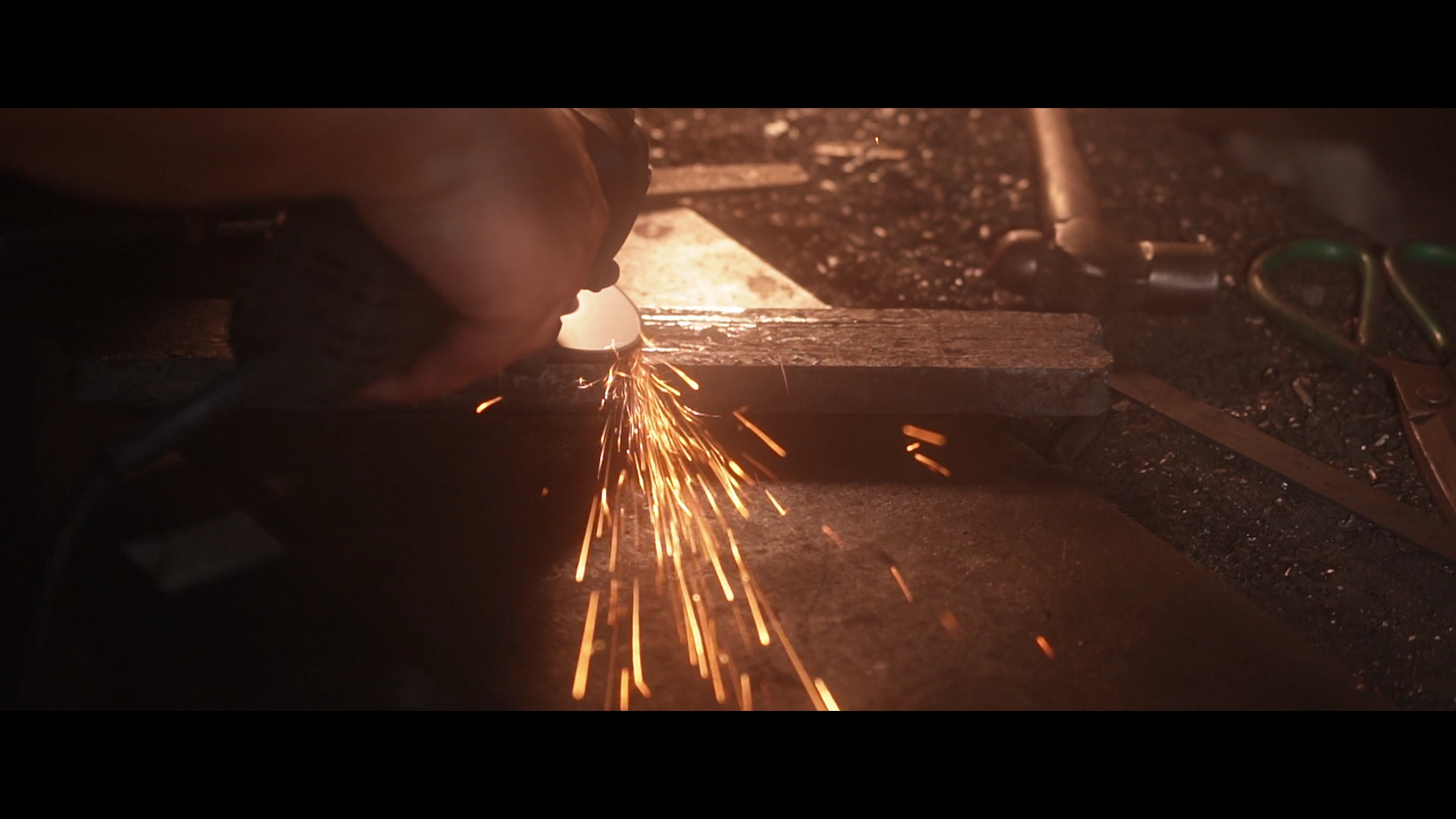
Modern metallurgists have come close to reproducing it, yet the exact chemistry and crystalline structure remain elusive.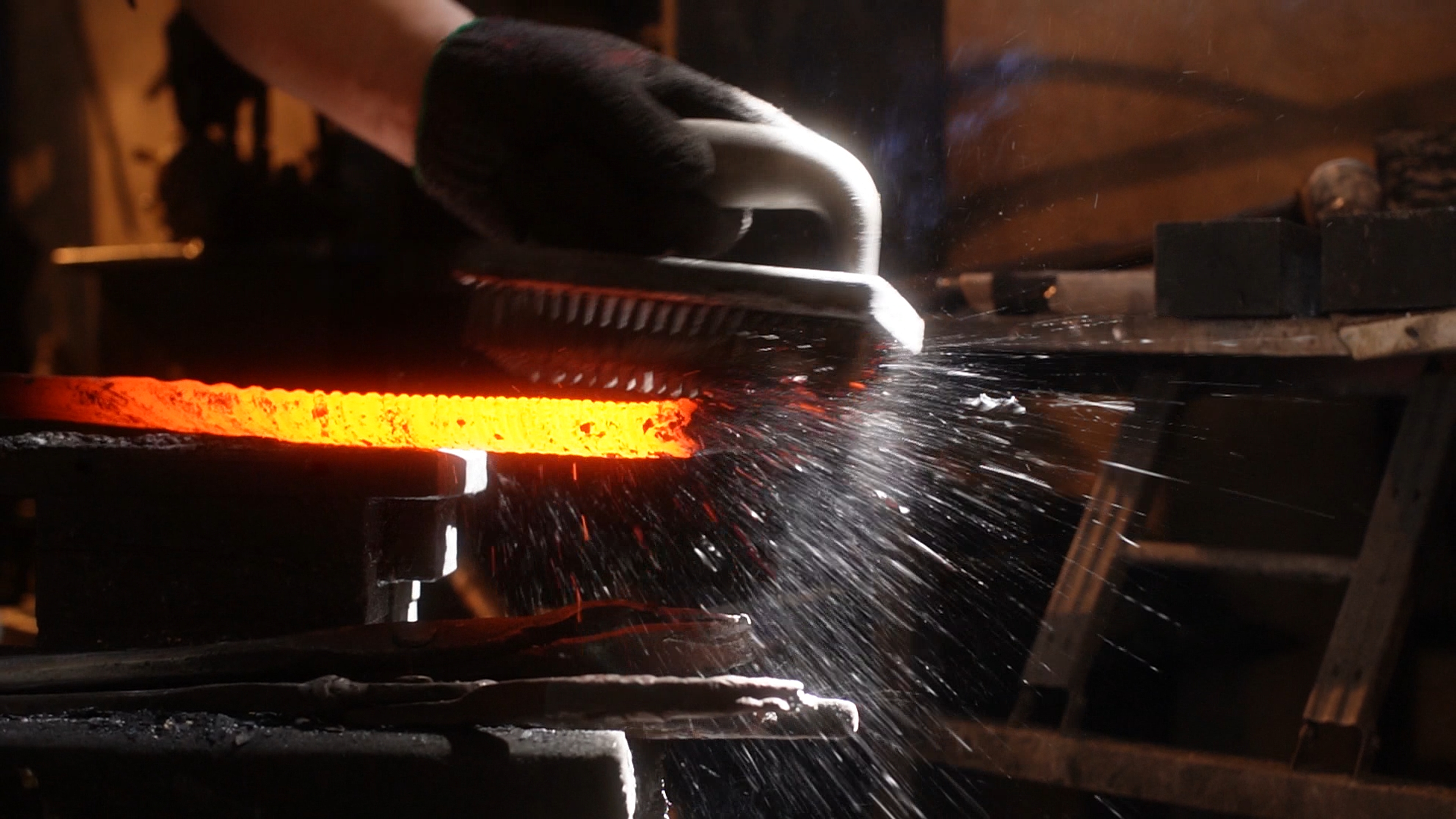
Today’s Modern Damascus Steel is recreated through Pattern Welding—a method of layering, folding, and forge-welding steels of varying composition. After hundreds of hammer strikes and folds, intricate wave-like patterns emerge within the metal.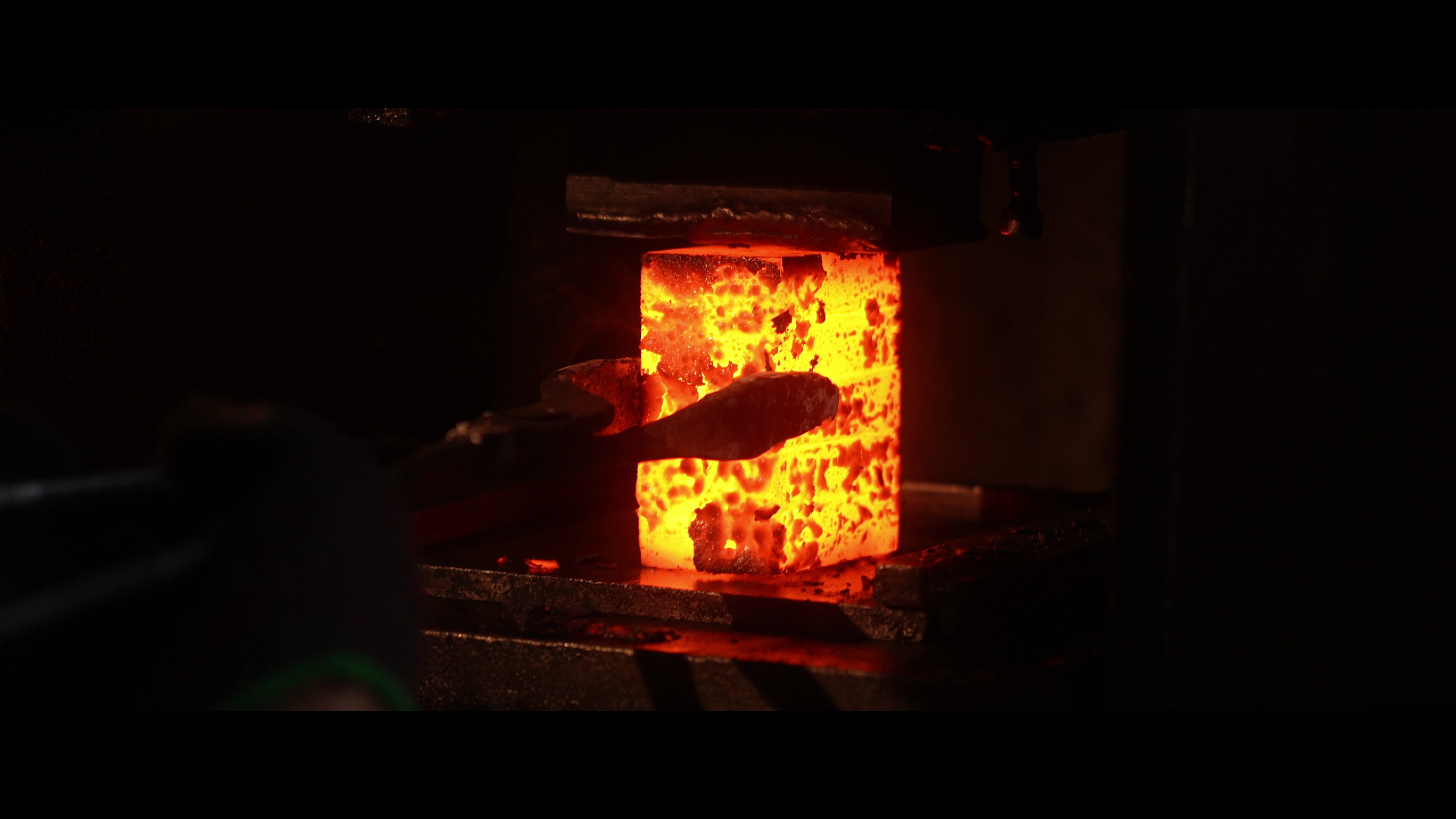
It stands as both a homage to the ancients and a pinnacle of modern craftsmanship.
5. Epilogue: The Art of Fire and Will
Every Damascus blade tells a story—of fire, time, and human determination.
It is more than metal; it is a living symbol of resilience, precision, and artistry that transcends centuries.