
1. Material Selection
The journey of Damascus steel begins with carefully chosen metals: 1084, 1095, 15N20, O1, and Nickel steel. Each type brings its own balance of carbon and flexibility. When combined, they create the unique contrast that defines Damascus steel’s iconic wave-like pattern.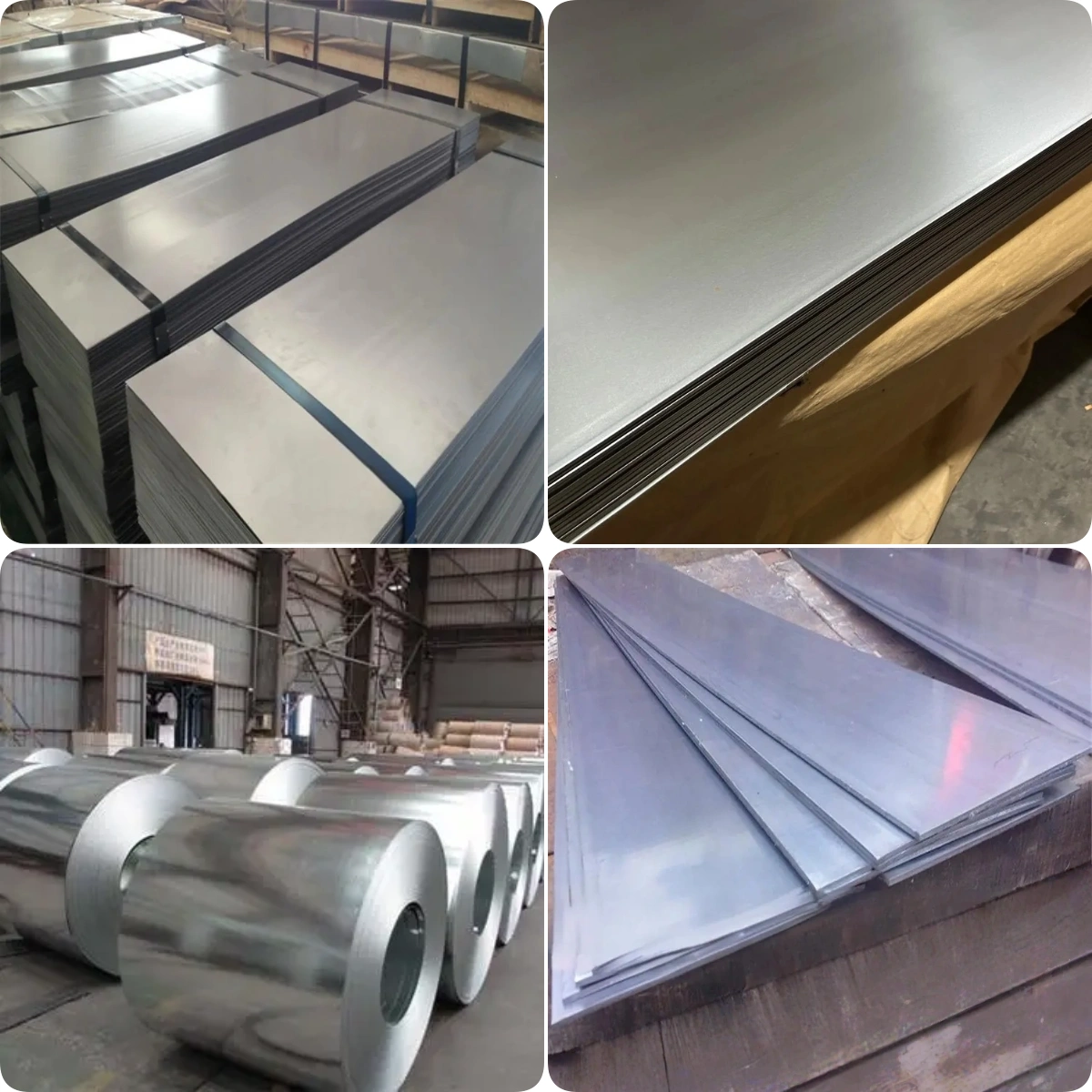
2. Layering the Steel Sheets
Thin sheets of different steels are stacked alternately — dark high-carbon steels beside bright nickel-rich steels — forming a billet that will later transform into flowing lines of strength and beauty.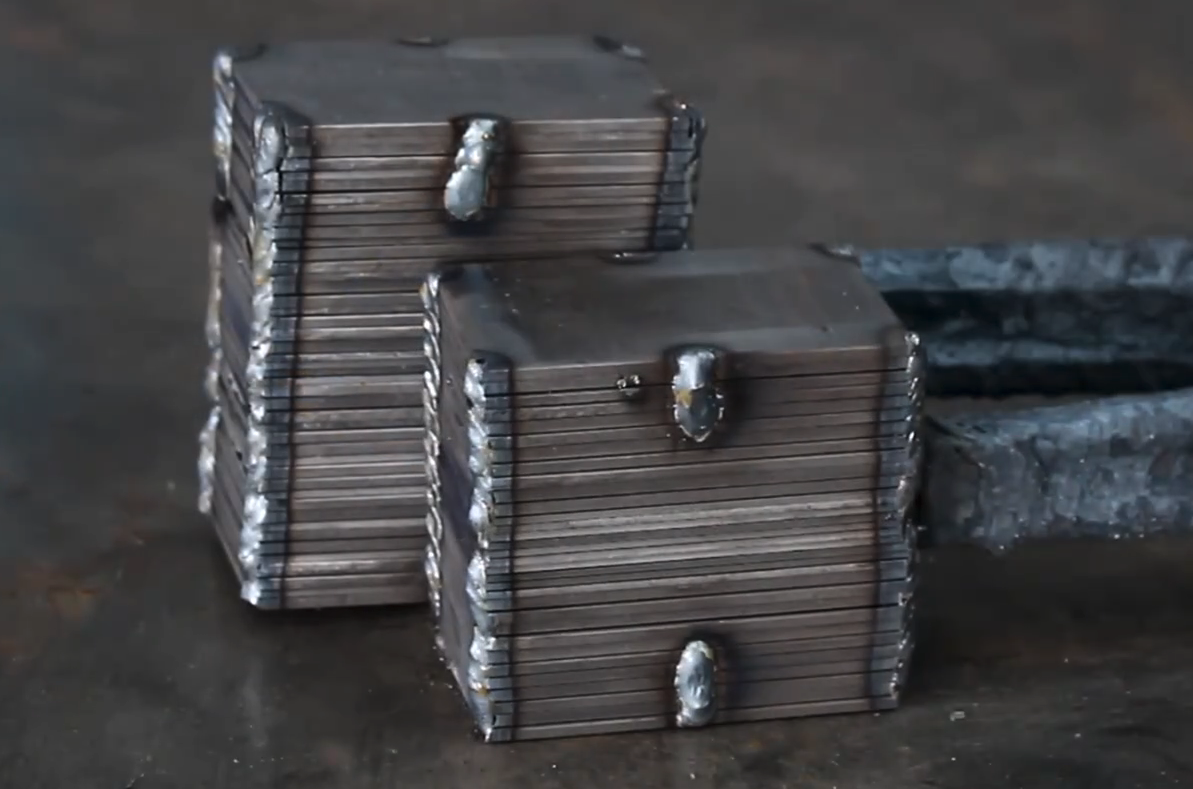
3. Basic Pattern Forging
The billet is heated to a bright orange glow and hammered repeatedly. The extreme heat welds the layers together, and the first ripples of the Damascus pattern begin to appear.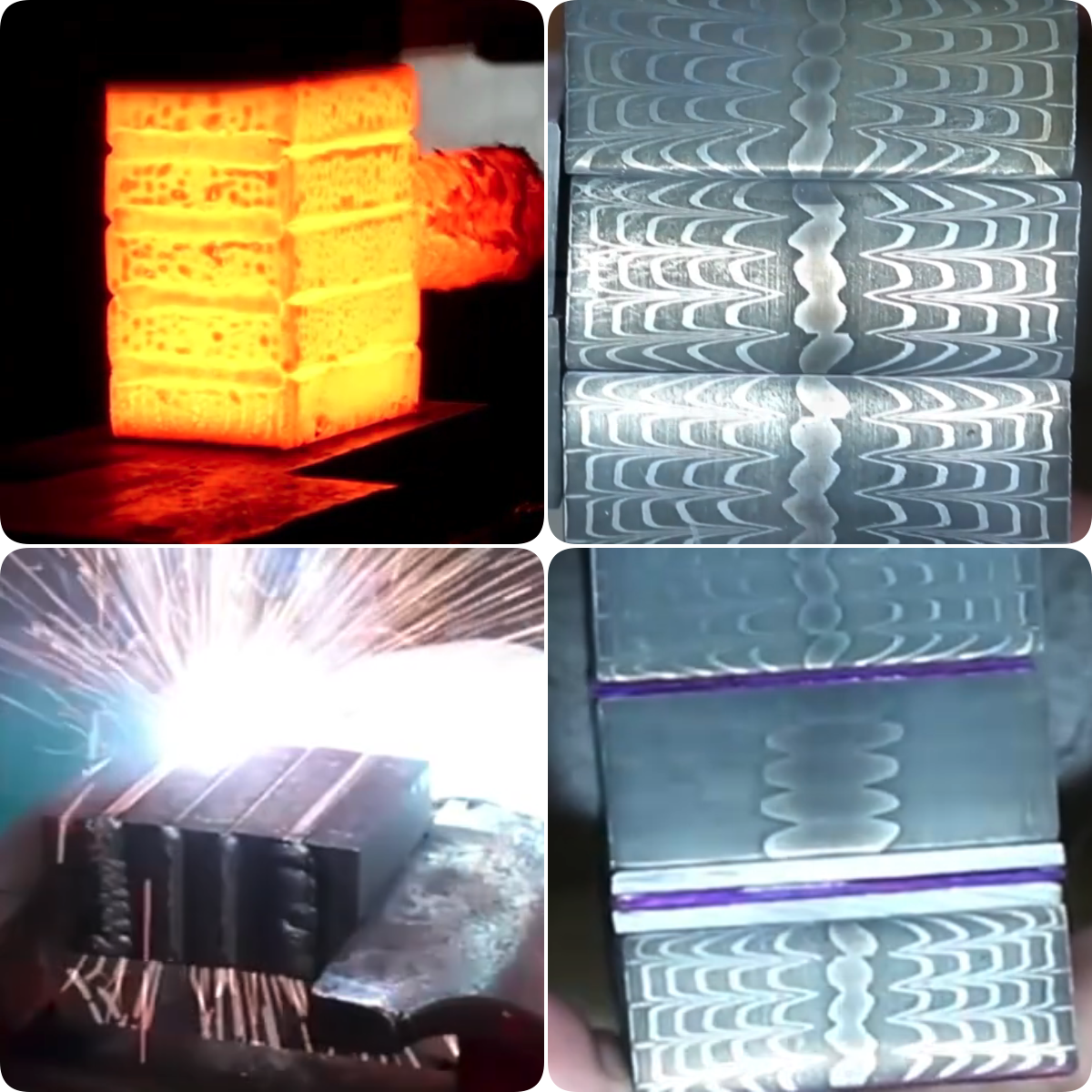
4. Cutting and Restacking (3–5 Times)
After initial forging, the billet is cut, folded, and restacked several times. Each repetition multiplies the number of layers, creating intricate and ever-evolving textures that later emerge on the surface.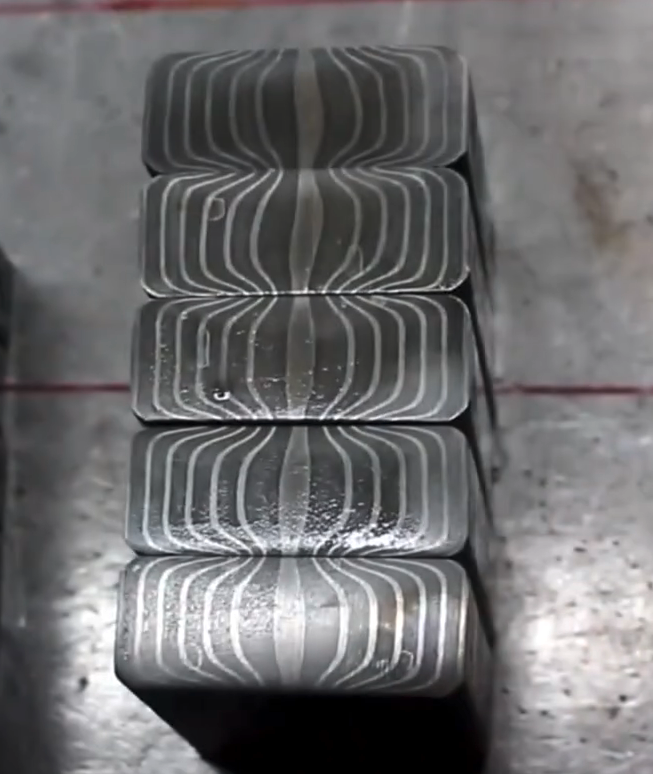
5. Advanced Pattern Forging
At this stage, the blacksmith introduces creativity — twisting, compressing, or sculpting the billet to craft signature designs such as ladder, raindrop, or feather patterns.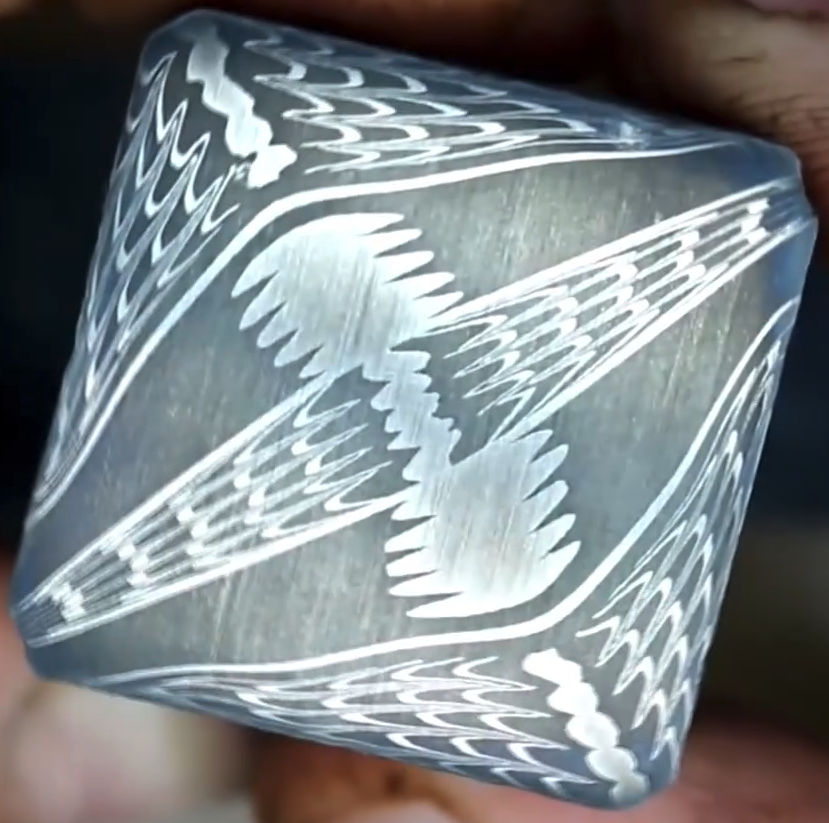
6. Shaping
Once the pattern is established, the steel is forged into its intended form — blade, bead, or ornament. Every hammer strike defines its contour and character.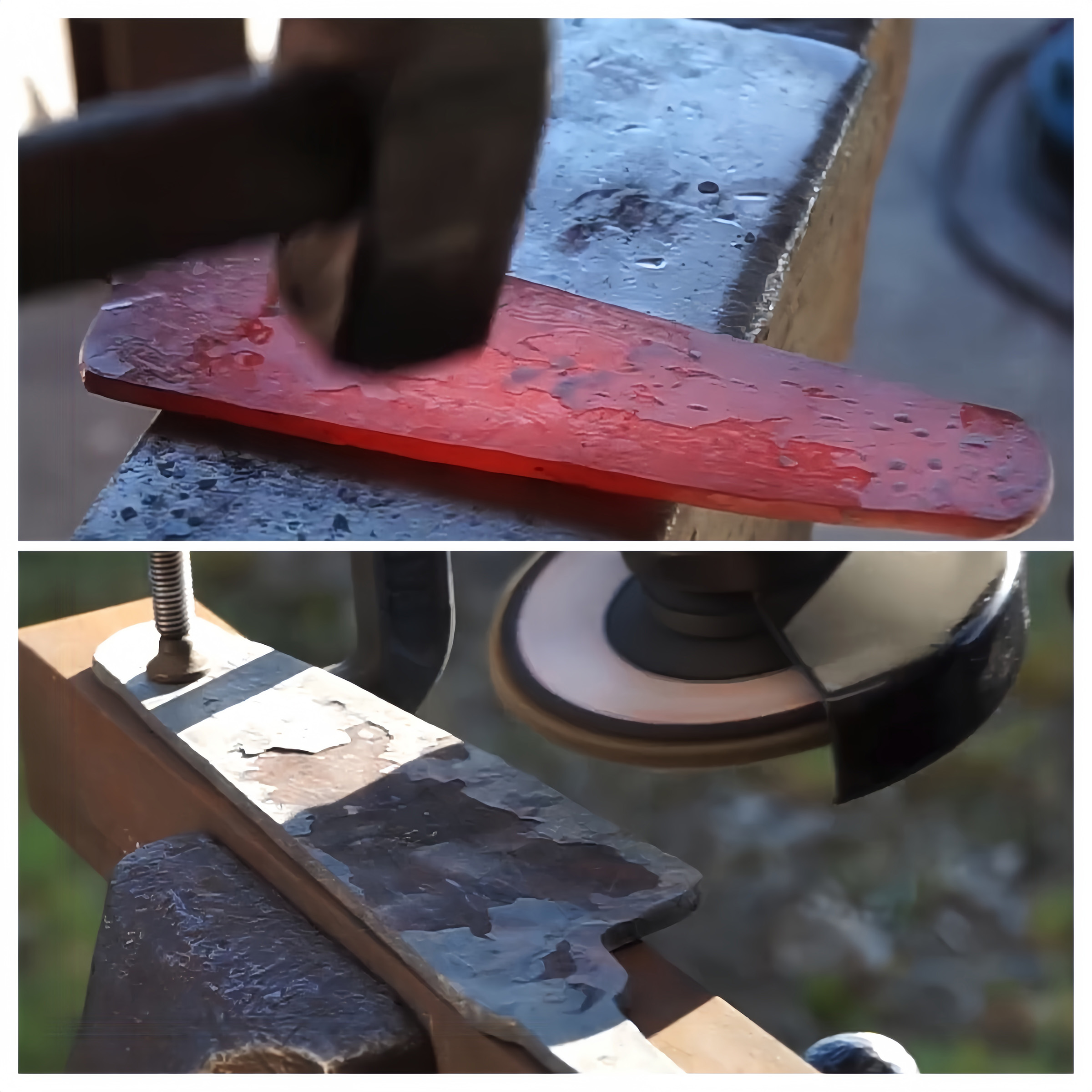
7. Heat Treatment — Quenching, Normalizing, and Tempering
Heat treatment breathes life into Damascus steel. The metal is first normalized, releasing internal stresses and refining the grain. Then it is quenched — heated to high temperature and suddenly cooled in oil or water — locking hardness into the core. Finally, tempering follows: the piece is reheated at a moderate temperature to restore toughness and prevent brittleness.
This balance between hardness and flexibility is what gives Damascus steel its legendary durability.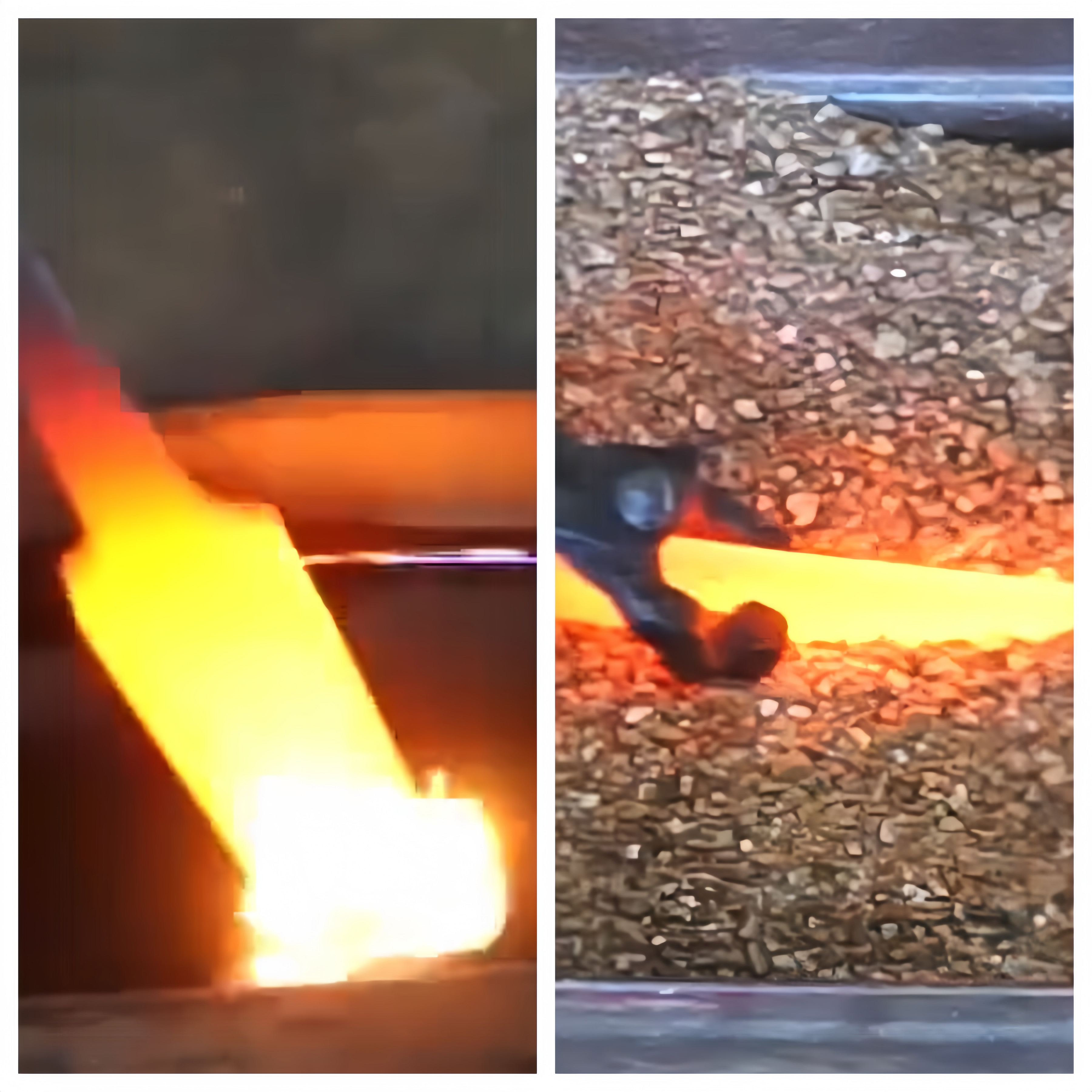
8. Grinding
After heat treatment, the piece is precisely ground and polished. This step reveals the layered soul within the metal, creating a smooth surface that prepares it for etching.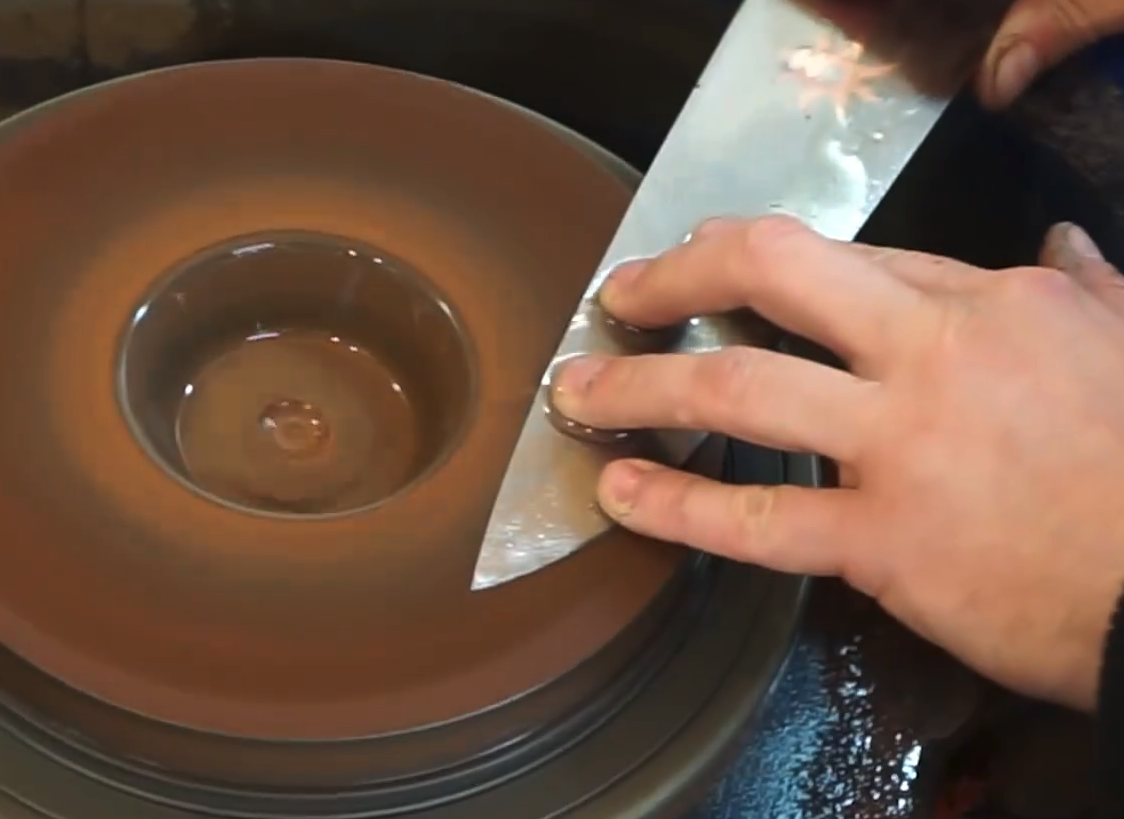
9. Acid Etching
The steel is immersed in an acid bath. The reaction darkens high-carbon layers while nickel layers remain bright, unveiling the mesmerizing Damascus pattern in full clarity.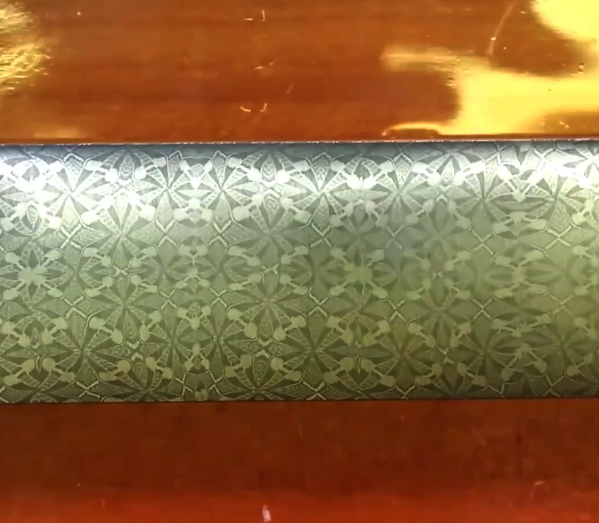
10. Coating
Finally, the piece is coated with protective oil or film, preventing rust and enhancing contrast — a lasting seal of craftsmanship and time.
Damascus steel is more than metal — it’s a legacy forged in flame, carrying centuries of human ingenuity and artistry.